+1 (888) 388-7118 Apply Now
Commercial Real Estate

Ground Up Construction (CRE)

Comprehensive financing solutions for commercial real estate developers building from the ground up. Phased draw schedules aligned with project milestones.

At a Glance

Funding Amount $1,000,000 - $50,000,000+
Term 12 - 36 Months (Construction Phase)
Overview

The Angel Funding Advantage

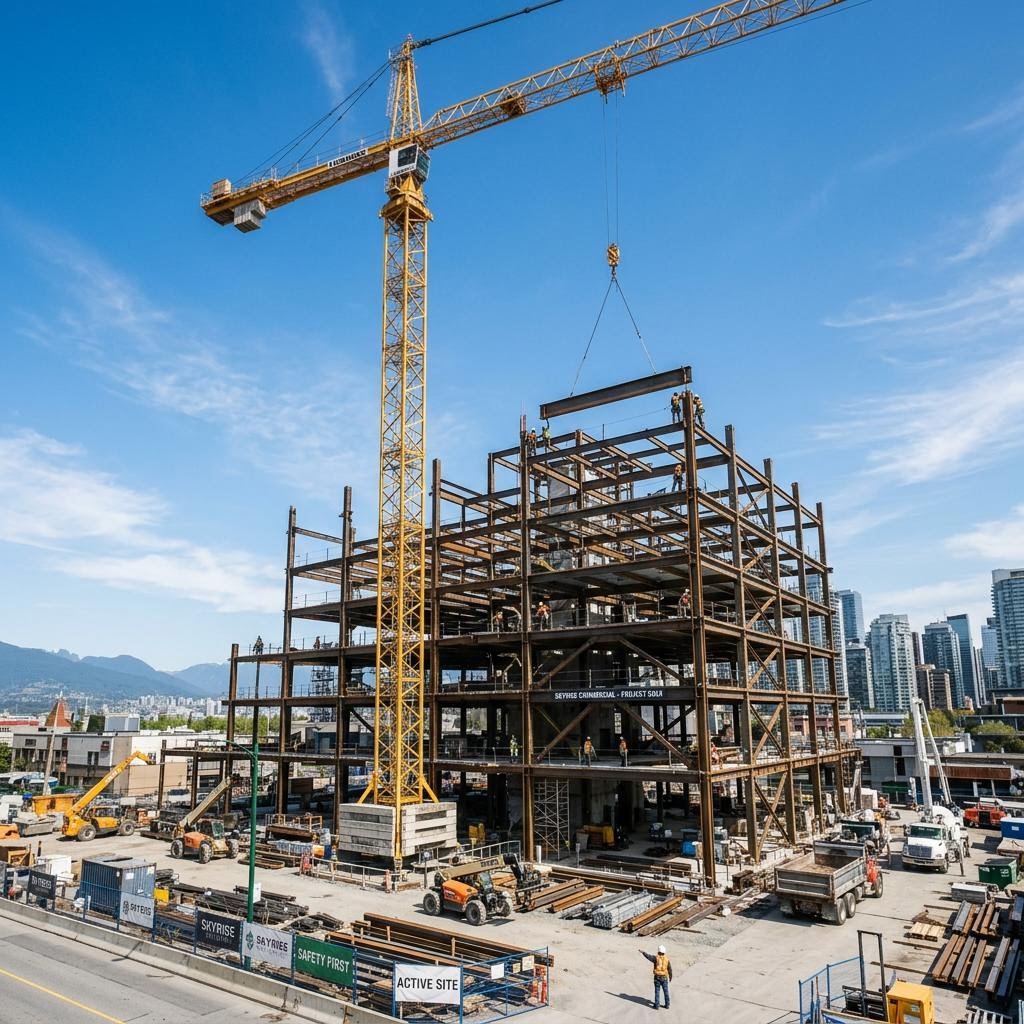
Building commercial real estate from the dirt up requires a massive capital stack and a lender who understands the complexities of construction timelines, zoning, and contractor management. Our Ground-Up Construction loans provide the heavy-lifting capital developers need to execute ambitious projects.

Whether you are building a 100-unit multifamily complex, a state-of-the-art self-storage facility, or a suburban retail plaza, we structure the debt to align perfectly with your construction phases.

Ground-up development means building from raw land or a tear-down — and it rewards you with unlimited design flexibility and the ability to phase construction as demand grows.

  • Construction-to-permanent available
Ground Up Construction (CRE)
The Process

How It Works

A streamlined, transparent process designed to get capital into your hands.

1

Project Submission

Submit your architectural plans, permits, project budget, and pro-forma for review.

2

Sponsor Evaluation

We evaluate the developer's track record, liquidity, and the strength of the general contractor.

3

Closing & Initial Disbursement

Our advisors handle this step for you and keep you informed at every stage.

4

Draw Schedule

Our advisors handle this step for you and keep you informed at every stage.

Who Qualifies?

  • Experienced commercial developers with a track record of similar projects
  • Shovel-ready projects (or nearly shovel-ready with permits in place)
  • Projects with a strong exit strategy (takeout financing or sale)

Why Choose This Option

  • Higher leverage (LTC) than many local banks are willing to provide.
  • Streamlined draw request processes keep your contractors paid and on schedule.
  • Construction-to-permanent structures consolidate the build loan and long-term financing into one closing — one set of fees, one approval, no re-qualifying at completion.
  • In-house construction management and a monthly milestone-based draw schedule keep contractors paid and the project on track.
Common Scenarios

How businesses use Ground Up Construction (CRE)

Self-Storage

Constructing a multi-story, climate-controlled storage facility.

Industrial / Logistics

Developing a last-mile logistics warehouse near a major interstate.

Mixed-Use & Medical Office

Building ground-floor retail with residential above, or a medical office building near a hospital campus.

Affordable & Workforce Housing

Developing income-restricted or workforce housing with a construction-to-permanent structure that locks the long-term exit up front.

FAQ

Frequently Asked Questions

Get the facts on Ground Up Construction (CRE).

Do I need prior construction experience?
Typically yes. Lenders consider ground-up construction the highest-risk real estate product. They prefer developers (sponsors) with a track record of successfully completing similar projects.
Can I get financing if I do not own the land yet?
Yes, the initial funding at closing can be used to acquire the land, provided your equity injection covers the required Loan-to-Cost ratios.
How do draws work?
Funds are released in stages. When your contractor completes the foundation, an inspector verifies the work, and the lender releases the funds for that line item in the budget.
Do you finance the soft costs?
Yes, soft costs (architectural fees, engineering, permits) can be included in the total project budget and financed, though the lender will want to see your equity covering early soft costs.
What happens if material costs spike?
If costs exceed the contingency, the sponsor must bring additional cash to the table.
What is a construction-to-permanent loan?
One closing means one set of fees and no re-underwriting at the finish line — and it removes the risk of being unable to find takeout financing later.
What do lenders underwrite besides the project itself?
Expect review of the sponsor's financial strength, credit, and liquidity; the general contractor's track record and agreements; the project budget and loan-to-cost ratio; and the exit strategy (takeout financing, lease-up plan, or sale).

Stop waiting. Start growing.

Start your application and find out exactly how much capital you qualify for. It won't affect your credit score.

Get Pre-Qualified Now → Schedule A Call